What is B2B software? In simple terms, it refers to digital tools designed to help businesses interact with one another, streamline operations, and improve collaboration.
B2B software plays a pivotal role in modern business environments by enabling efficient management of customer relationships, supply chains, and business processes. It is integral to supporting day-to-day oper ations and driving long-term growth.
Centric specializes in helping businesses implement B2B solutions that simplify complex workflows, boost operational performance, and ensure seamless integration with existing systems. Whether you're looking to optimize processes or enhance your customer interactions, Centric’s expertise in B2B software can help drive your business forward.
In this guide, you will learn about the different types of B2B software, including CRM, ERP, and supply chain management tools, and how each contributes to enhanced efficiency and productivity. We’ll also explore the benefits, challenges, and best practices for selecting the right B2B software for your business.
What Does B2B Stand For?
B2B stands for Business-to-Business, which refers to transactions, interactions, or relationships between two businesses rather than between a business and individual consumers.
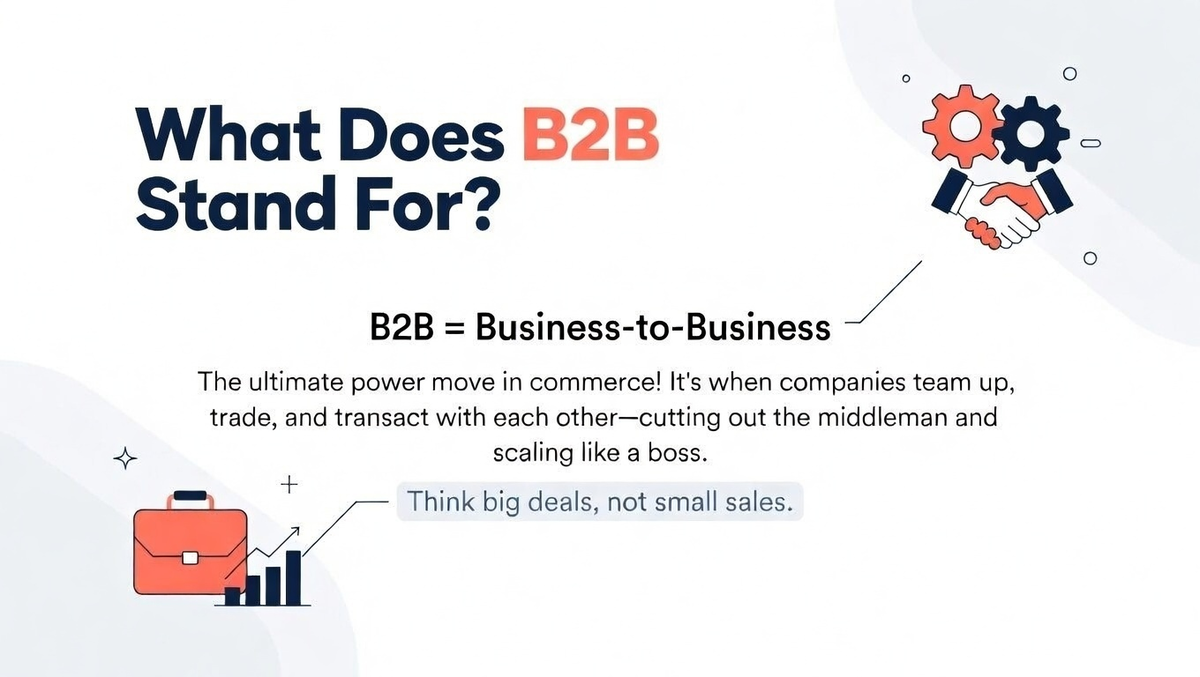
In the context of the software industry, B2B software solutions are designed to help businesses operate more effectively and efficiently by providing tools to streamline processes, improve collaboration, and enable seamless communication between organizations.
The relevance of Business-to-business software in today’s market cannot be overstated. As businesses increasingly rely on digital tools to manage complex operations, these software platforms have become crucial to driving growth, productivity, and scalability.
The Need for B2B Software in Business
Businesses today are more interconnected than ever, and the need for B2B software solutions has grown substantially. With globalization and digital transformation reshaping industries, B2B software platforms allow organizations to optimize their operations, making them more efficient and scalable.
Whether it's streamlining supply chains, enhancing communication, or automating repetitive tasks, B2B software solutions enable businesses to operate at a faster pace while ensuring accuracy and consistency.
Moreover, B2B enterprise software plays a crucial role in fostering collaboration between business partners, suppliers, and clients, ensuring smoother workflows and improved decision-making.
By implementing the right B2B marketing solutions, businesses can better manage customer relationships, improve sales processes, and enhance data analytics, ultimately contributing to long-term business success. These solutions are not only essential for operational efficiency but are key to staying competitive in an ever-evolving market.
Explore Our B2B Marketing Solutions
6 Types of B2B Software Solutions
There are various types of B2B software solutions that businesses rely on to manage different aspects of their operations. From improving customer relationships to optimizing supply chain management, these tools enable organizations to streamline processes, increase productivity, and foster collaboration.
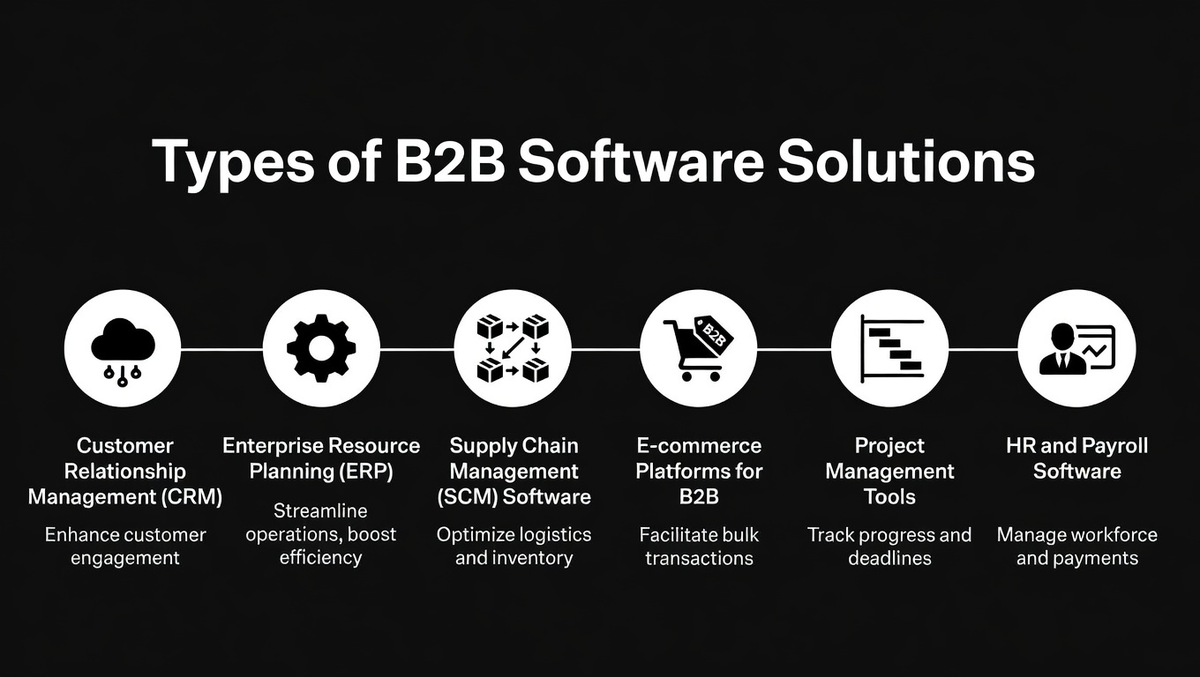
The right B2B software can help businesses achieve scalability, efficiency, and growth, regardless of their size.
1. Customer Relationship Management (CRM)
B2B CRM software is designed to help businesses manage and nurture their relationships with customers, clients, and business partners. By centralizing customer data, B2B CRM software enables businesses to track interactions, identify sales opportunities, and enhance customer service.
For small businesses, B2B software for small businesses can be particularly valuable in automating routine tasks, providing real-time insights, and fostering long-term customer loyalty.
2. Enterprise Resource Planning (ERP)
ERP systems integrate various business functions such as banking and finance, HR, supply chain, and inventory management into one cohesive platform. These systems help businesses streamline their operations by providing real-time data and automating manual processes.
With the rise of Cloud-based B2B software, ERP systems are now more scalable and flexible than ever, allowing businesses to access and manage data from anywhere. For larger enterprises, B2B software integration with other platforms becomes crucial to ensure smooth workflows and enhanced decision-making.
3. Supply Chain Management (SCM) Software
Supply Chain Management (SCM) software plays a key role in optimizing the movement of goods, information, and finances across the supply chain. These tools help businesses improve efficiency by streamlining logistics, automating order processing, and managing inventory in real-time.
B2B SaaS solutions in SCM can be particularly beneficial for businesses that need to scale quickly, as they offer flexibility, reduce manual effort, and provide accurate reporting. The integration of custom B2B software development can further enhance SCM platforms to meet the unique needs of a business.
4. E-commerce Platforms for B2B
For businesses operating in the B2B sector, e-commerce platforms like Shopify Plus and Magento are essential tools for facilitating bulk orders, managing pricing tiers, and processing transactions securely. These platforms offer customization options for businesses to tailor their online stores according to specific requirements.
Cloud-based B2B software has revolutionized the e-commerce experience by offering scalability, making it easier for businesses to expand their online presence and improve customer experiences.
Drive More Traffic and Sales with Our eCommerce Marketing Solutions
5. Project Management Tools
Project management tools such as Trello, Asana, and Jira help businesses organize tasks, track progress, and collaborate across teams. These platforms allow companies to assign responsibilities, set deadlines, and monitor milestones to ensure projects stay on track.
B2B software for small businesses can benefit greatly from these tools by improving task management and reducing bottlenecks, ensuring that teams are aligned and projects are completed on time. These tools also support B2B software integration with other systems to improve efficiency.
6. HR and Payroll Software
B2B HR software, such as Workday and BambooHR, allows businesses to streamline recruitment, manage employee records, and automate payroll processes. These solutions simplify tasks like tracking employee hours, benefits, and performance evaluations.
For businesses looking to scale, B2B SaaS solutions for HR can also provide the flexibility and scalability needed to grow without compromising efficiency. Custom B2B software development can further tailor these solutions to fit a company’s unique HR needs, ensuring seamless integration with existing systems.
4 Key Features and Benefits of B2B Software
B2B software solutions offer essential features like scalability, real-time data, automation, and enhanced collaboration. These tools help businesses streamline operations, improve efficiency, and drive growth.
By choosing the right B2B software, businesses can optimize their processes, manage customer relationships, and make data-driven decisions that lead to long-term success.
1. Scalability and Flexibility
B2B software provides scalability, enabling businesses to grow without outgrowing their solutions. Flexible configurations and customizable features ensure that software can adapt to changing business needs.
For instance, B2B software for e-commerce can handle fluctuating sales volumes, making it easier for businesses to expand operations and accommodate new demands while maintaining operational efficiency.
2. Real-Time Data and Analytics
Access to real-time data is a game-changer for businesses. B2B software enables tracking of key performance indicators, helping businesses make informed decisions quickly. With tools for data analysis, organizations can monitor trends, improve operational efficiency, and adapt strategies to customer needs.
B2B software for ecommerce also helps businesses optimize their sales and marketing efforts with actionable insights.
3. Automation and Efficiency
By automating repetitive tasks, B2B software helps reduce human error and improve workflow efficiency. Automation in areas like inventory management and reporting frees up resources, allowing businesses to focus on strategic growth.
For B2B software for ecommerce, automating processes like invoicing and order fulfillment ensures faster, more accurate transactions, leading to better customer satisfaction.
4. Enhanced Collaboration
B2B software fosters enhanced collaboration by providing tools for seamless communication and data sharing. Teams can easily coordinate across departments, while businesses can collaborate with external partners in real time.
This collaboration enhances efficiency, strengthens business relationships, and improves decision-making. B2B software for ecommerce also helps streamline supplier and customer interactions, driving better business outcomes.
Why B2B Software is Critical for Business Growth?
B2B software solutions are integral to driving business growth by streamlining processes, enhancing productivity, and improving collaboration.
Whether you're a small business or a large enterprise, adopting the right B2B software can significantly contribute to operational efficiency, cost savings, and a competitive edge. In this section, we’ll explore how B2B software can help businesses scale and thrive in today’s competitive market.
Improved Operational Efficiency
B2B software for small businesses helps streamline operations by automating repetitive tasks and simplifying complex workflows. From managing inventory to processing orders, B2B software reduces the time spent on manual processes.
B2B software for ecommerce allows businesses to track sales, manage inventory in real-time, and improve order fulfillment, ultimately leading to enhanced operational efficiency and productivity.

Cost Savings
One of the benefits of B2B software is its ability to reduce operational costs through automation and integrated workflows. By automating time-consuming tasks, businesses can reduce labor costs and minimize human error.
Additionally, cloud-based B2B software for ecommerce provides a cost-effective solution, eliminating the need for expensive hardware and software maintenance, while offering scalability to grow with the business.
Competitive Advantage
Businesses using B2B software gain a significant competitive advantage by improving efficiency, reducing costs, and enhancing customer experiences. With access to real-time data and analytics, companies can make quicker, more informed decisions.
For B2B software for small businesses, adopting the right tools can level the playing field against larger competitors, helping them provide faster service and better customer support.
3 Challenges in Implementing B2B Software
While B2B software solutions offer numerous benefits, implementing them can come with a set of challenges. These challenges can range from high upfront costs to integration issues with legacy systems, and concerns about data security and compliance.
In this section, we’ll explore some of the common obstacles businesses face when adopting B2B software and how to mitigate them.
1. High Initial Costs
One of the biggest hurdles when implementing B2B software is the high initial cost. Businesses often face significant upfront investments for purchasing software licenses, setting up systems, and training employees.
This is particularly true for large-scale B2B software for e-commerce marketing solutions, which may require substantial customization and infrastructure. While these costs can be high, the long-term benefits, such as increased efficiency and reduced manual labor, often justify the investment.
2. Integration with Legacy Systems
Integrating new B2B software with existing legacy systems can be a complex and time-consuming task. Legacy systems may not be compatible with modern B2B platforms, requiring businesses to invest in custom B2B software integration solutions.
For businesses that rely on older software, this integration process can disrupt operations and may require additional resources. Proper planning and involving experienced IT teams can help mitigate these challenges.
3. Data Security and Compliance
Data security and compliance are critical concerns when adopting B2B software. Businesses must ensure that the software complies with data protection regulations such as GDPR and PCI-DSS.
As businesses increasingly rely on B2B software for small businesses and large enterprises alike, securing sensitive business and customer data becomes essential. Failure to meet compliance standards can lead to significant legal and financial risks, so businesses must prioritize choosing software with robust security features to safeguard their data.
How to Choose the Right B2B Software for Your Business?
Choosing the right B2B software is a crucial decision that can significantly impact your business’s efficiency, growth, and scalability. It’s essential to evaluate several factors before committing to a solution, including your unique business needs, scalability, vendor support, and security features.
This section will guide you through the process of selecting the right B2B software for your company.
Assess Your Business Needs
The first step in choosing the right B2B software is understanding your business processes and identifying the areas that need improvement. Whether it's improving customer relationship management or streamlining inventory management, selecting a solution that aligns with your specific goals is essential.
By evaluating B2B software for ecommerce or other solutions tailored to your business, you ensure that the software fits your operational needs, providing a solid foundation for growth.
Consider Scalability and Customization
As your business grows, your software needs may evolve. B2B software should be scalable, meaning it can adapt to your increasing demands without requiring a complete overhaul.
Additionally, customization is key to ensure the solution can be tailored to your specific business requirements. Custom B2B software development allows you to modify the software to meet your unique needs, ensuring that it continues to serve your business as it expands.
Evaluate Vendor Support and Security Features
When choosing B2B software, it’s vital to select a vendor that offers reliable support and strong security features. You’ll want a vendor who provides comprehensive support, including troubleshooting, updates, and training.
Additionally, robust security protocols such as data encryption and regular security audits are essential to protect sensitive business information. Ensuring the vendor adheres to industry compliance standards will also help mitigate security risks and ensure peace of mind.
The Future of B2B Software
The future of B2B software is being shaped by advancements in technology, particularly the integration of AI services, machine learning, and cloud-based platforms. As businesses continue to evolve and adapt to new demands, B2B solutions must also evolve to offer enhanced functionality, scalability, and automation.
In this section, we’ll explore how these innovations are transforming the B2B landscape and what businesses can expect moving forward.
The Role of AI and Machine Learning in B2B Solutions
AI and machine learning are revolutionizing B2B software by enabling enhanced automation and predictive insights. With AI-driven tools, businesses can automate repetitive tasks, predict customer behavior, and optimize supply chains with minimal human intervention.
B2B software for ecommerce, for example, can use machine learning algorithms to recommend products and personalize marketing efforts based on user behavior, ultimately improving the customer experience and boosting sales.
Cloud-Based B2B Software
The shift toward cloud-based B2B software offers numerous benefits to businesses, including greater scalability, reduced costs, and enhanced accessibility. Cloud platforms allow businesses to store and manage data securely, ensuring that it’s accessible from anywhere at any time.
This is particularly beneficial for growing enterprises that need flexible solutions to handle increasing workloads. Cloud-based B2B software offers easy integration with other tools, making it a future-proof option for businesses looking to stay competitive.
Integration with Emerging Technologies
Emerging technologies such as IoT (Internet of Things) and blockchain are being increasingly integrated with B2B software to enhance its functionality. IoT enables real-time data collection and monitoring, allowing businesses to make faster decisions and optimize operations.
Blockchain, on the other hand, offers secure and transparent transactions, which is essential for supply chain management and ensuring data integrity. Integrating these technologies with B2B software will enable businesses to innovate and create more efficient, secure, and scalable systems.
FAQs
What is B2B software?
B2B software refers to digital tools and platforms designed to help businesses interact and collaborate with other businesses. It streamlines operations, enhances productivity, and supports functions such as customer relationship management, supply chain management, and inventory tracking, optimizing workflows for enterprises.
How does B2B software differ from B2C software?
B2B software is designed for business-to-business transactions, focusing on collaboration, scalability, and complex workflows, while B2C software targets consumer-facing interactions with a focus on user experience. B2B software often handles large volumes of data, integrates with other business systems, and supports enterprise-level operations.
Why is B2B software important for small businesses?
B2B software for small businesses provides essential tools to streamline operations, manage customer relationships, and improve efficiency. By automating tasks like invoicing and inventory management, small businesses can save time, reduce errors, and compete more effectively with larger enterprises in the marketplace.
What are the key benefits of using B2B software?
The benefits of B2B software include improved operational efficiency, cost savings, enhanced collaboration, and scalability. It enables businesses to automate tasks, make data-driven decisions, and optimize workflows, leading to better resource management, faster growth, and improved customer relationships.
Conclusion
What is B2B software? It’s a digital solution that facilitates seamless business-to-business interactions, streamlining operations, improving efficiency, and enhancing collaboration. B2B software plays a pivotal role in driving business success by automating tasks, offering real-time data insights, and enabling businesses to scale effectively.
For businesses looking to implement the right B2B solutions, Centric can help guide you through the selection process and ensure seamless integration with your existing systems. Our expertise in B2B software implementation will provide tailored solutions that align with your business goals, optimize workflows, and support growth.
Contact Centric today to learn how we can help you implement the best B2B software solutions for your business success!