




When it comes to sales, businesses often face a crucial choice: Inbound vs Outbound Sales Strategy. Both strategies play a significant role in shaping a company’s sales efforts, but they differ in their approach and execution.
Inbound sales focuses on attracting potential customers through valuable content and marketing tactics, while outbound sales takes a proactive approach by reaching out to potential clients directly. To clearly understand what is inbound and outbound sales, it’s important to look at how each method engages prospects at different stages of the buying journey.
Understanding the difference between inbound and outbound sales is essential for any business looking to grow its sales pipeline. Choosing the right strategy can impact everything from your lead generation to how quickly you close deals.
In this guide, you’ll learn the ins and outs of both inbound and outbound sales, the benefits of each, and how to decide which is best for your business. You’ll also discover how Centric can help you design a sales strategy that’s perfectly aligned with your goals and target audience. Let's dive into the details!
What is Inbound Sales?
Inbound sales is all about attracting potential customers by offering value-driven content that addresses their needs and interests. Unlike outbound sales, where businesses actively reach out to leads, inbound sales focuses on making it easy for prospects to find you through a strong inbound knowledge strategy built around education, relevance, and trust.
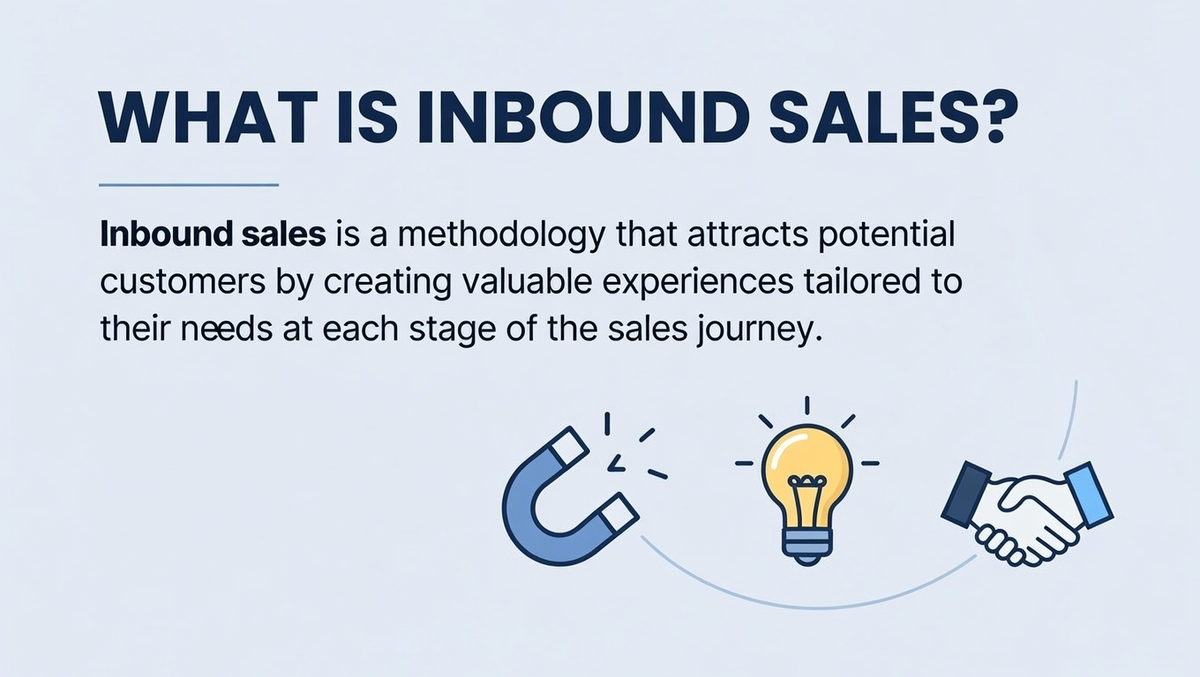
This approach builds credibility by providing helpful and relevant content that answers questions and solves problems, ultimately guiding prospects toward informed purchasing decisions and generating more qualified inbound CD leads over time.
In inbound marketing, content is king. Inbound sales strategies often involve creating blog posts, videos, eBooks, and infographics that speak directly to your target audience and address their specific challenges.
By leveraging SEO, social media, and content marketing for inbound sales, businesses can increase visibility, reach a broader audience, and consistently attract high-quality leads. Social media platforms like Facebook, LinkedIn, and Twitter play a key role in distributing this content and engaging prospects in meaningful ways.
Check Our Content Marketing Services
What is Outbound Sales?
Outbound sales is a proactive approach where businesses actively reach out to potential clients who have not expressed prior interest in the product or service. Unlike inbound sales, where customers come to you, outbound sales require the company to identify prospects, initiate conversations, and move them through a structured outbound sales funnel.
This funnel starts with awareness and outreach and progresses toward engagement, qualification, and conversion.
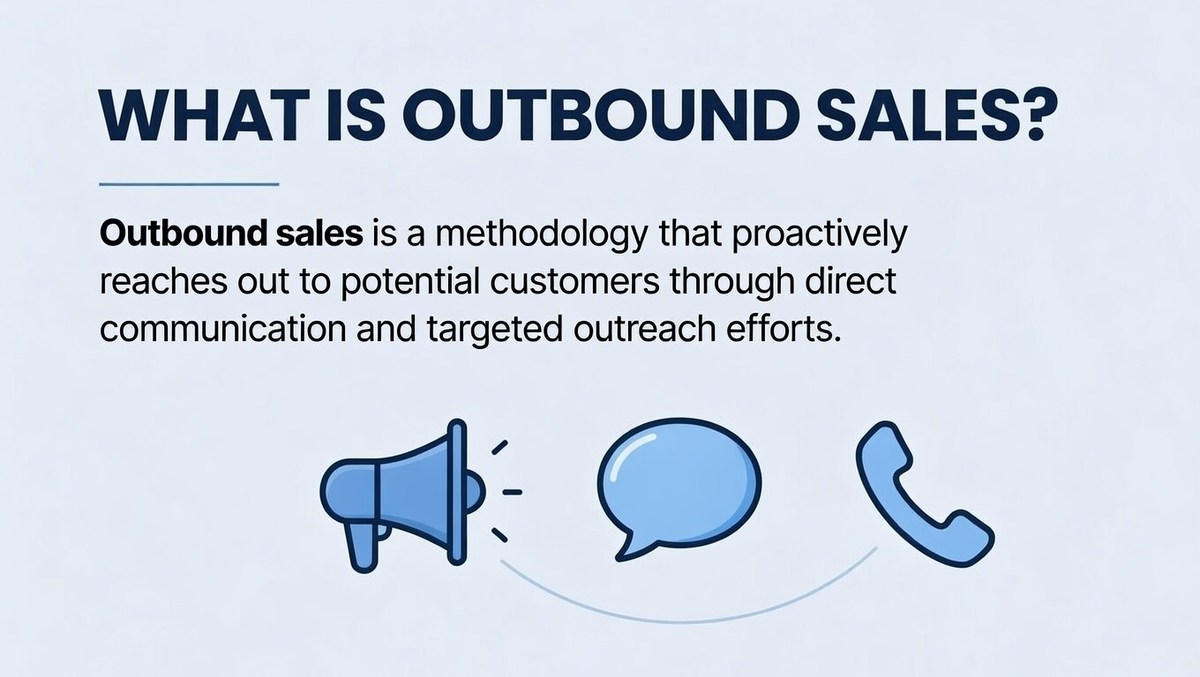
This strategy involves making the first move through outbound sales communication methods such as cold calling, targeted emails, and social media outreach. Outbound sales tactics include strategies like cold calling for outbound sales, email campaigns, and direct outreach via professional platforms such as LinkedIn.
Outbound sales teams focus on engaging prospects who may not yet be aware of the brand, making it a powerful method for expanding brand awareness, reaching new market segments, building rapport, and presenting tailored solutions to potential clients.
Inbound vs Outbound Sales Strategy: A Side-by-Side Comparison
When deciding between inbound and outbound sales, it’s essential to understand the core difference between outbound and inbound sales. Both have their own set of advantages and challenges, and understanding these can help businesses make an informed choice.
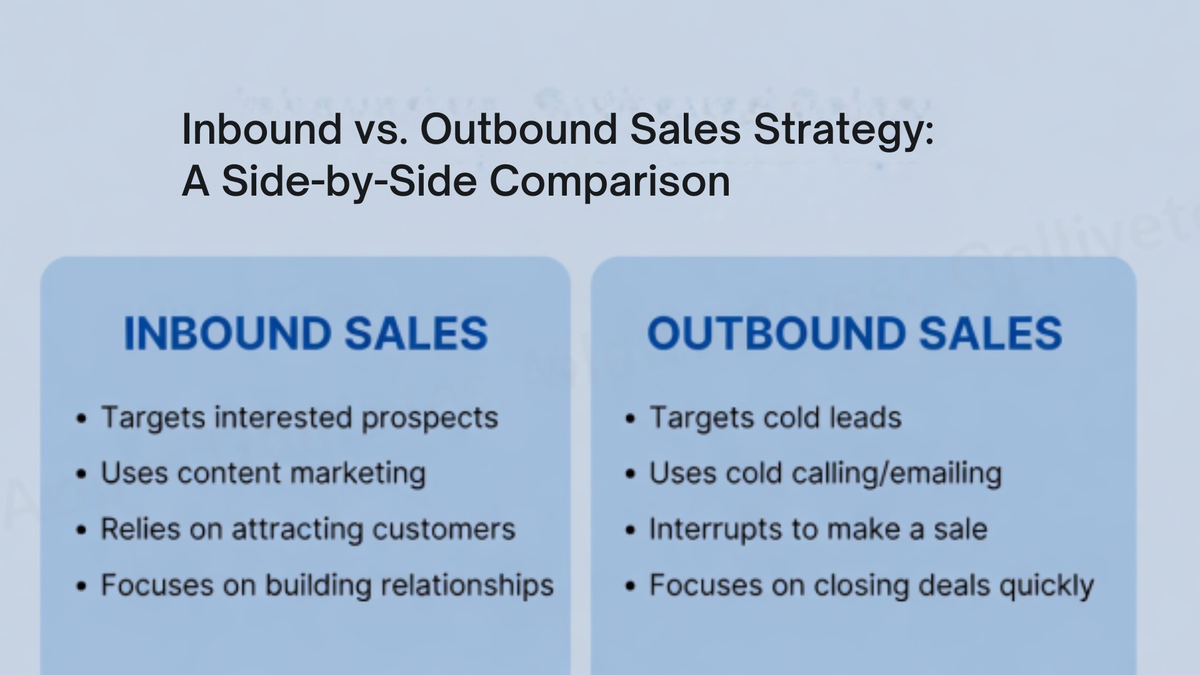
In this section, we will compare the outbound vs inbound sales side by side, focusing on key aspects like sales cycle length, engagement approach, and the tools used to support them. Let’s explore what is the difference between inbound and outbound sale.
Sales Cycle Length: Which Approach is Faster?
When comparing inbound sales and outbound sales, one of the most important factors to consider is the length of the sales cycle. This directly impacts how quickly businesses can convert leads into customers, and each approach varies in terms of speed.
Inbound sales typically lead to faster decision-making since leads come to you already interested in your offerings. Outbound sales, on the other hand, often involve longer cycles due to the need for initial outreach and relationship-building. Let’s dive deeper into each of these cycles.
Inbound Sales Cycle: How Long Does It Take?
-
Faster decision-making with inbound leads: Inbound leads are often further along in the decision-making process when they first engage with your business. They’ve already identified their need and are looking for a solution that allows for quicker conversion.
-
Why the inbound sales cycle can be shorter: Since inbound sales are driven by content and SEO, leads often arrive with a strong understanding of your product. This means less time is spent educating them, shortening the sales cycle.
Outbound Sales Cycle: Understanding the Time Factor
-
Longer cycles due to initial cold outreach: Outbound sales require businesses to engage with prospects who have no prior interest. The process begins with cold outreach, which can be time-consuming as you work to generate awareness.
-
The need for rapport building: Because outbound sales involve reaching out to people who may not be familiar with your brand, building trust and rapport takes longer. This is a critical step in converting a lead into a customer.
The Approach: Passive vs. Proactive Engagement
The methods by which outbound and inbound sales engage with potential customers are drastically different. While inbound sales aim to attract customers through passive methods, outbound sales require direct, proactive engagement to initiate the conversation.
Inbound Sales: A Passive, Content-Driven Strategy
-
How content marketing attracts potential buyers to you: Inbound sales rely on the power of content marketing. Through blog posts, videos, and social media, businesses can attract leads who are already seeking solutions to their problems. The strategy is passive, allowing customers to find you organically.
-
The importance of educational content and nurturing leads: Providing valuable, educational content helps build trust with prospects. Inbound strategies include nurturing these leads with targeted email campaigns, gradually guiding them toward a purchase decision.
Outbound Sales: Reaching Out and Making the First Move
-
Direct engagement through calls, emails, and networking: Outbound sales involves actively reaching out to potential customers through sales outreach strategies like cold calls, emails, and networking events. This approach demands more effort from the sales team but can also yield immediate results.
-
How outbound efforts focus on initiating conversations: With outbound sales, the focus is on initiating the conversation, qualifying leads, and creating interest in your product. This proactive approach ensures you're actively shaping the customer’s journey from the start.
Which Strategy is Best for Your Business?
Choosing the right sales strategy is crucial to the success of your business. Both inbound and outbound sales have their unique strengths, but understanding your business goals, product complexity, and target audience will help you decide which approach works best. Let’s take a closer look at how different factors influence this decision.
Understanding Your Business Goals and Audience
Before choosing a sales strategy, it’s essential to assess your business goals and audience. Your strategy should align with both the type of business you run and the way you want to engage with potential customers.
Evaluating Your Product or Service
B2B inbound marketing tactics are ideal for businesses offering complex or high-value products that require trust-building over time. For instance, SaaS or software companies may benefit more from inbound strategies as they can provide educational content to nurture prospects.
On the other hand, B2C outbound sales approaches may be more suitable for businesses selling quick-consumption products like fashion or accessories, where immediate engagement is essential. These products often have shorter sales cycles, making outbound efforts more effective.
The more complex the product, the better inbound sales tactics work, as it allows time to educate the customer. Simpler, lower-cost products often perform better with outbound sales, where immediate transactions can be achieved with well-crafted sales pitch for outbound sales efforts.

Knowing Your Target Audience
Understanding how your audience behaves is key in selecting the right sales strategy. Different types of customers may respond better to inbound and outbound marketing methods depending on their buying behavior.
If your target audience values self-research and decision-making, inbound methods will likely yield better results. For example, customers who research products online before buying often prefer finding you through content, leading to increased sales with inbound methods.
Conversely, if your target audience is harder to reach or doesn't actively search for solutions, outbound sales tactics can help reach them directly and initiate the conversation.
Blending Inbound and Outbound Sales for Maximum Impact
Sometimes, the best approach is a combination of both inbound and outbound sales strategies. By blending the two, businesses can capture the strengths of both and create a more comprehensive sales strategy that engages prospects at various stages of their journey.
Creating a Hybrid Strategy
A hybrid strategy allows businesses to attract a broader audience and nurture leads over time through inbound tactics, while also reaching out directly to high-potential prospects through outbound sales. This dual approach ensures that your business can engage with both inbound leads and outbound opportunities, maximizing outreach and conversion potential.
Tools and Technology for Both Sales Approaches
In today’s digital age, leveraging the right tools and technology is crucial for optimizing both inbound and outbound sales efforts. These tools help automate processes, enhance efficiency, and ultimately improve sales performance. Let’s explore how technology can benefit both sales approaches.
Leveraging Inbound Sales Software
Inbound sales require the right set of tools to attract, nurture, and convert leads. By automating repetitive tasks and managing customer relationships more effectively, businesses can focus on delivering value to their prospects.
HubSpot and Mailchimp
HubSpot allows businesses to manage leads, track website visitors, and automate email workflows. It streamlines the entire inbound process, from lead generation to nurturing, ensuring that no potential lead slips through the cracks.
Mailchimp helps automate email marketing campaigns, manage subscriber lists, and analyze customer behavior to create targeted, personalized content. Together, these tools empower businesses to scale their inbound marketing efforts and enhance lead engagement, turning prospects into loyal customers.
Maximize Your Reach with Targeted Email Campaigns
Enhancing Outbound Sales with Technology
Outbound sales often require more direct engagement, and using the right technology can significantly improve the efficiency of outreach efforts. Automation and CRM systems play a vital role in organizing data, managing outreach, and tracking performance.
CRM Systems and Outreach Platforms
Salesforce is one of the most popular CRM systems that helps sales teams track leads, manage client relationships, and automate follow-up tasks. It provides a 360-degree view of each prospect, helping sales teams customize their outreach strategies.
LinkedIn is a powerful outreach platform for outbound sales. It allows businesses to find and connect with prospects directly, engage in meaningful conversations, and build relationships. LinkedIn Sales Navigator, specifically, is designed to enhance lead generation and prospecting, enabling sales teams to discover potential clients based on specific criteria.
Grow Your Professional Network with LinkedIn Marketing
How Centric Helps with Inbound and Outbound Sales?
Centric specializes in helping businesses optimize both inbound and outbound sales services to achieve maximum results. Whether you're looking to attract qualified leads through engaging content and effective SEO or proactively reach out to prospects with tailored outreach, Centric has got you covered.
It works closely with you to understand your unique business needs, ensuring that it crafts a customized strategy that aligns with your goals. Centric’s expertise includes integrating advanced sales tools, providing actionable insights based on data analysis, and creating a seamless, end-to-end sales process.
From lead generation to conversion, Centric helps you implement the right approach, boost sales performance, and ultimately drive sustainable business growth.
FAQs
What is the main difference between inbound and outbound sales?
Inbound sales focus on attracting potential customers through content, SEO, and social media, allowing them to find your business. Outbound sales, on the other hand, involves actively reaching out to potential clients through methods like cold calling and email campaigns.
How can businesses determine which sales strategy is best for them?
The choice between inbound and outbound sales depends on factors like business goals, target audience, and product complexity. Inbound is more suitable for long-term relationship building, while outbound is effective for quicker conversions and targeting hard-to-reach prospects.
How does content marketing play a role in inbound sales?
Content marketing is crucial for inbound sales as it attracts and nurtures leads. By creating valuable, educational content, businesses can engage prospects and guide them through the sales funnel, ultimately converting them into loyal customers who trust your brand.
Can businesses use both inbound and outbound sales together?
Yes, many businesses adopt a hybrid approach by combining inbound and outbound sales. This allows them to capture the benefits of both strategies—building long-term relationships through inbound while directly engaging high-potential prospects with outbound efforts for quicker conversions.
Conclusion
The choice between Inbound vs Outbound Sales Strategy depends on your business model, target audience, and sales objectives. Inbound sales focuses on attracting leads through content, SEO, and social media, while outbound sales involves proactive outreach like cold calling and email campaigns.
Both strategies offer unique advantages: inbound sales can build long-term relationships and credibility, whereas outbound sales allow businesses to quickly reach new prospects and initiate direct conversations.
A combination of both approaches can be particularly effective, helping businesses maximize their reach and conversion rates.
Centric helps companies design and implement the most suitable sales strategy by integrating advanced tools, optimizing processes, and providing data-driven insights.