





How to use Python for NLP and semantic SEO is an important question today because search engines no longer rely only on exact keywords.
They focus on the meaning, intent, and context behind search queries. Websites that align content with user intent perform better and remain competitive in modern search results.
Semantic SEO helps search engines understand what your content is actually about. It goes beyond keyword placement and looks at intent, related topics, entities, and topic relationships.
When content clearly matches search intent, it becomes easier to rank, easier to interpret, and more helpful for users. This shift explains why SEO is now meaning-focused rather than keyword-focused.
Python makes semantic SEO practical and scalable. Manual analysis is slow and inconsistent. Python automates large-scale content processing and pattern detection. Using NLP, Python can identify entities, analyze intent, group related topics, and measure content similarity across pages.
This blog explains how Python and NLP work together for semantic SEO, covering setup, core concepts, and practical use cases in a simple way.
Breaking Down NLP and Semantic SEO Fundamentals
Search engines have evolved beyond simple keyword matching. They now focus on understanding the meaning behind search queries. This change affects how content is written and optimized. Content must align with user intent, context, and relevance to perform well in search results.
The Role of NLP in Modern Search
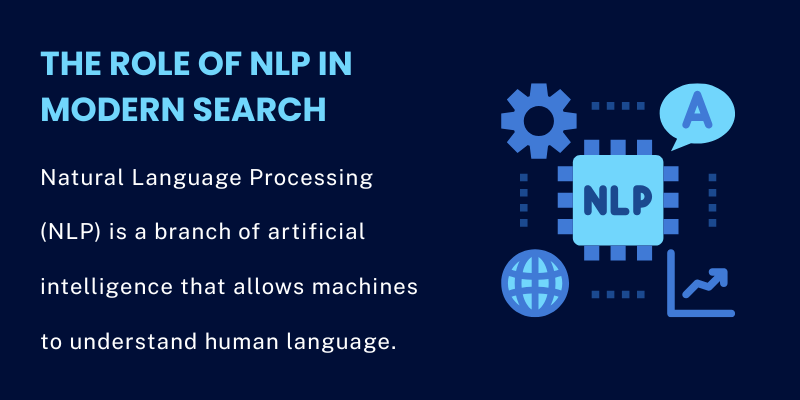
Natural Language Processing (NLP) is a branch of artificial intelligence that allows machines to understand human language. It helps search engines analyze context, relationships between words, and intent.
For example, NLP can identify whether the word “apple” refers to a fruit or a technology company based on surrounding content. This contextual understanding is the foundation of semantic SEO.
Core NLP Concepts Used by Search Engines
Several NLP techniques support how search engines interpret content. Tokenization breaks text into individual words or phrases. Lemmatization reduces words to their base form, such as converting “running,” “runs,” and “ran” into “run.”
Entity recognition identifies important elements like people, brands, and locations. These techniques work together to improve content understanding.
Choosing the Right Python NLP Tools for Your SEO Arsenal
Navigating the wide range of Python NLP libraries can feel overwhelming, especially when building a semantic SEO workflow. Each library serves a different purpose, and choosing the right one directly affects accuracy, speed, and scalability. Using the wrong tool can limit insights or slow down analysis.

Key Python Libraries for NLP
Python is widely used for NLP because it is easy to learn, flexible, and supported by a large developer community. It allows teams to process large volumes of text with speed and accuracy.
Python also works well with data analysis and machine learning tools, which makes it ideal for SEO tasks such as content analysis, intent detection, and topic clustering.
Here are five essential Python NLP libraries and their best use cases in semantic SEO:
- NLTK (Natural Language Toolkit): Best for foundational NLP tasks. It handles tokenization, stemming, lemmatization, and part-of-speech tagging. Useful for text cleaning and basic language analysis.
- spaCy: Known for speed and efficiency. Ideal for named entity recognition, dependency parsing, and large-scale content processing. Well-suited for production-level SEO workflows.
- Gensim: Designed for topic modeling and document similarity. Supports LDA and word embeddings to uncover topic relationships across large content sets.
- Scikit-learn: A machine learning library commonly used for text classification and clustering. Works well with NLP libraries for sentiment analysis and topic-based grouping.
- Transformers: Provides access to advanced language models like BERT and GPT. Useful for deep contextual analysis, intent detection, and understanding complex search behavior.
These libraries can be combined to build a flexible and efficient NLP-driven SEO toolkit.
Library Comparison and Selection
The table below provides a clear comparison of popular Python NLP libraries. It highlights installation methods, primary use cases, learning difficulty, and how each library supports semantic SEO tasks. Additionally, integrating an SEO Reporting tool can help ensure that the outcomes of using these libraries are measurable, allowing you to track content performance against key SEO metrics more effectively.
|
Library |
Installation |
Best For |
Learning Curve |
SEO Applications |
|
NLTK |
pip install nltk |
Core NLP processing |
Beginner |
Text cleaning, tokenization, preprocessing |
|
spaCy |
pip install spacy |
Fast, production-ready NLP |
Intermediate |
Entity extraction, dependency analysis |
|
Gensim |
pip install gensim |
Topic modeling, similarity |
Intermediate |
Content clustering, semantic grouping |
|
scikit-learn |
pip install scikit-learn |
Classification and clustering |
Intermediate |
Content categorization, sentiment analysis |
|
Transformers |
pip install transformers |
Deep contextual language models |
Advanced |
Search intent analysis, content optimization |
This table serves as a quick reference to help select the right Python NLP library based on SEO objectives and technical experience.
Also Read: LLM vs NLP
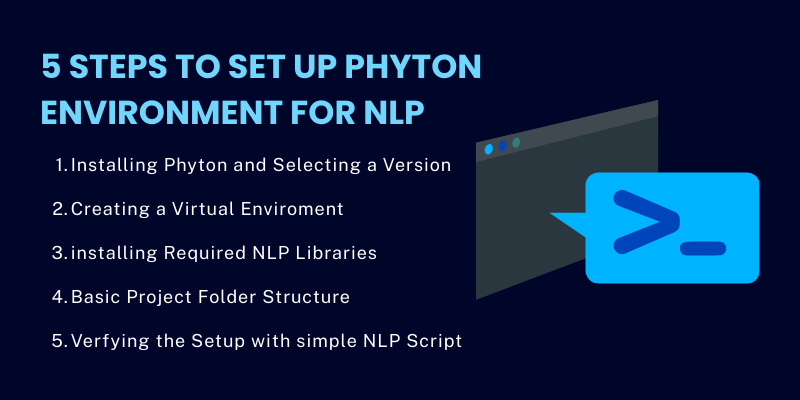
5 Key Steps To Set Up Your Python Environment for NLP
Setting up a proper Python environment is important before starting any NLP or semantic SEO work. A clean and organized setup helps avoid dependency issues and keeps projects easy to manage and scale.
Key elements involved in setting up a Python environment include:
1. Installing Python and Selecting a Version
Start by installing Python from the official Python website. It is recommended to use Python 3.9 or later for NLP projects, as most modern libraries support these versions. After installation, confirm Python is correctly installed by checking the version in the terminal or command prompt.
2. Creating a Virtual Environment
A virtual environment keeps project dependencies isolated. This prevents conflicts between different projects using different library versions. Creating a virtual environment allows you to manage NLP libraries cleanly and update them without affecting other Python projects.
3. Installing Required NLP Libraries
Once the virtual environment is active, install the required NLP libraries. These typically include libraries for text processing, machine learning, and semantic analysis. Installing only what is needed keeps the environment lightweight and efficient.
4. Basic Project Folder Structure
A simple and organized folder structure improves readability and maintenance. Common folders include:
- A folder for scripts
- A folder for datasets or text files
- A folder for output reports or results
This structure helps scale NLP analysis as the project grows.
5. Verifying the Setup With a Simple NLP Script
After setup, run a basic script to test the environment. Load a library, process a short text sample, and confirm the output is correct. This step ensures all dependencies are working and the environment is ready for NLP-based semantic SEO tasks.
 Download PDF Now
How to Use Python for NLP and Semantic SEO?
Python helps you turn semantic SEO into a repeatable process. Instead of guessing what to write or how to structure a page, you can analyze content at scale, find patterns, and make changes based on data. A good SEO ranking report software can help track how your adjustments impact rankings over time, providing valuable insights into the performance of your content and identifying areas that need improvement.

Here’s an expanded workflow you can follow:

1. Collecting Website or Competitor Content
The first step is gathering the content you want to analyze. This dataset becomes the foundation for all NLP and SEO work.
- Collect URLs, title tags, meta descriptions, H1s, H2/H3s, and main body content
- Include competitor pages targeting the same topic
- Store everything in CSV files or DataFrames for repeated analysis
Having a clean and complete dataset allows consistent comparison and accurate insights across pages.
2. Cleaning and Preparing Text Data
Web text is messy. It includes navigation text, repeated footer content, scripts, and random spacing. Cleaning ensures the analysis is accurate.
- Remove HTML tags and boilerplate sections
- Normalize text (lowercase, spacing, special characters)
- Remove duplicates and repeated blocks
- Split content into sections (intro, headings, FAQs) if needed
- If cleaning is weak, every next step becomes unreliable.
Strong preprocessing improves the accuracy of every NLP step that follows.
3. Extracting Keywords, Phrases, and Entities
Now you find what the content is truly about. This stage reveals what each page actually focuses on semantically.
- Use TF-IDF to extract important keywords
- Identify key phrases to capture long-tail queries
- Extract entities such as brands, tools, locations, and products
- Compare entity coverage with competitor content
This step is useful for finding missing supporting topics and making content more complete.
4. Identifying Search Intent Patterns
Understanding intent explains why users search for a query.
- Detect informational signals like “how to” or “what is”
- Identify transactional signals such as “pricing” or “services”
- Find comparison signals like “vs” or “alternatives”
Once intent is identified, you can align headings, CTAs, and page structure with what users expect.
5. Building Topic Clusters Using Semantic Similarity
Topic clusters organize content based on meaning rather than keywords.
- Convert pages into semantic embeddings
- Measure similarity between pages
- Group related pages into clusters
- Assign pillar and supporting pages
This structure improves topical clarity and strengthens site-wide relevance.
6. Detecting Content Gaps and Keyword Cannibalization
Python excels at uncovering hidden SEO issues.
- Identify topics competitors cover that your site misses
- Find thin sections with weak explanations
- Detect pages competing for the same intent
- Spot overlap where merging content makes sense
These insights help improve rankings without unnecessary content creation.
7. Improving Internal Linking With Semantic Relevance
Internal linking becomes stronger when it is based on meaning.
- Recommend links from related pages using similarity scores
- Suggest anchors using extracted phrases and entities
- Build link paths: pillar → supporting pages, and supporting pages → pillar
- Reduce orphan pages by connecting them to relevant clusters
Better internal linking helps crawling, indexing, and topical authority.
8. Optimized Heading, Structure, and Metadata
Finally, apply what you found to improve the page experience and SEO signals.
- Update H1 and H2s to match intent and include topic coverage
- Add missing questions as H2/H3 sections
- Improve readability with short paragraphs and clear structure
- Rewrite meta titles and descriptions to reflect meaning, not keyword stuffing
- Ensure metadata aligns with what the page actually answers
These refinements improve user experience and strengthen semantic alignment with search engines.
Boost Your Business with Expert Digital Marketing Services!
Frequently Asked Questions (FAQs)
What Is Semantic SEO And Why Does It Matter Today?
Semantic SEO focuses on meaning, context, and search intent rather than exact keyword matching. It matters because search engines now evaluate how well content answers user questions. Pages that cover topics clearly and completely tend to rank better and satisfy users more effectively.
How Does Python Help With Semantic SEO?
Python helps automate semantic SEO tasks at scale. It can analyze large amounts of content, extract entities, detect intent, group topics, and find gaps. This makes SEO analysis faster, consistent, and data-driven instead of manual.
Do I Need Advanced Coding Skills To Use NLP For SEO?
No advanced coding skills are required to get started. Basic Python knowledge is enough for tasks like text cleaning, keyword extraction, and intent analysis. More complex automation can be added later as your skills grow.
Which Python NLP Library Is Best For SEO Tasks?
There is no single best library. spaCy works well for entity recognition, scikit-learn is useful for keyword analysis, and sentence-transformers are strong for semantic similarity. The best choice depends on your SEO goal.
Can NLP Replace Traditional Keyword Research?
NLP does not replace keyword research but improves it. Traditional keyword research finds search terms, while NLP helps understand intent, context, and topic coverage. Together, they create a stronger and more effective SEO strategy.
Conclusion
Now that you understand how to use Python for NLP and semantic SEO, it is clear that success comes from moving beyond keyword matching and focusing on meaning-driven optimization. Semantic SEO improves content performance by aligning pages with user intent, context, and full topic coverage. It helps search engines clearly understand what a page addresses and why it is relevant. When content provides clear and complete answers to real user questions, it achieves stronger rankings and better engagement. Python plays a key role by automating NLP tasks such as text analysis, entity extraction, intent detection, and topic clustering. A digital marketing agency like Centric can take advantage of these technologies to enhance their clients' SEO performance.
These processes remove guesswork and make SEO analysis consistent, repeatable, and scalable across large websites. Focusing on meaning rather than keywords ensures content stays relevant even as search behavior changes. Instead of chasing individual terms, semantic optimization builds authority around complete topics and entities. In the long term, semantic SEO supports SEO scalability. Python-powered workflows allow continuous analysis, content refinement, and growth without relying on manual effort. This approach creates sustainable visibility and stronger performance as websites and content libraries expand.