What Is User Generated Content (UGC)? Simply put, UGC refers to content created by users rather than brands or professional marketers. It includes UGC content like reviews, photos, videos, and social media posts. These pieces of content provide real, authentic insights into a brand or product, helping to build trust with potential customers.
In today’s digital world, UGC is more important than ever. It has become a powerful marketing tool because it connects brands with real, relatable experiences. Unlike traditional ads, UGC meaning lies in its ability to reflect genuine customer opinions and foster community engagement.
In this guide, you’ll learn how UGC can help your brand grow, the types of UGC content you can leverage, and why it is crucial for building long-lasting relationships with your audience. You’ll also see how Centric uses UGC to create authentic marketing campaigns that resonate with real customers.
What exactly is UGC?
User-generated content (UGC) refers to any content created by users instead of brands. This includes UGC content like photos, reviews, videos, and blog posts. It's created by consumers who share their real experiences with products or services.
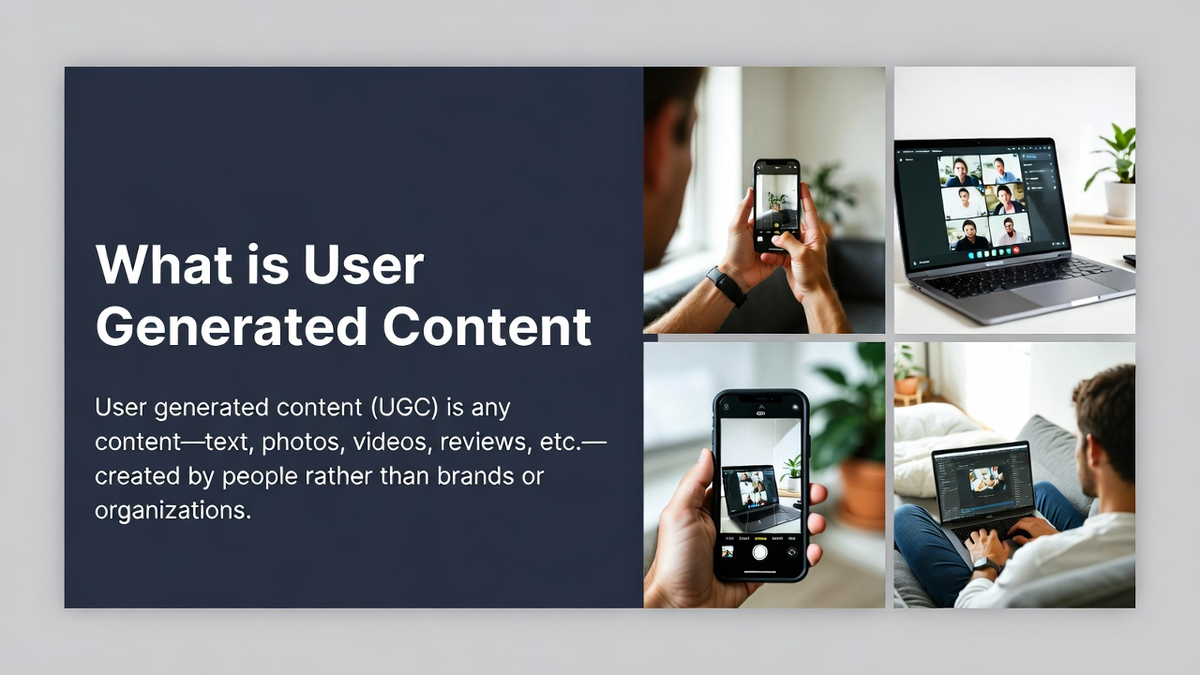
Examples of user-generated content include customer reviews on websites, social media mentions, and unboxing videos. These types of content are often posted without compensation, making them feel more authentic and trustworthy.
The Difference Between UGC and Traditional Content
Traditional content is created by brands or marketers. It’s carefully crafted, controlled, and aimed at promoting products or services. On the other hand, user-generated content is made by real customers based on their experiences.
Why UGC resonates more with audiences? People trust other consumers over brands. When you see a review or video from someone like you, it feels more genuine and relatable. This is why UGC has a stronger impact on building trust and loyalty with customers.
In simple terms, what does UGC stand for? It stands for the power of real experiences shared by real people.
Why User Generated Content Matters in Modern Marketing?
In today’s digital world, user created content has become essential for successful growth marketing strategies. It offers brands the opportunity to connect with customers on a deeper, more personal level. With UGC marketing, brands can leverage authentic content created by users to foster trust and build lasting relationships.
Building Trust and Authenticity with UGC
Unlike traditional advertising strategies, user-generated content feels more genuine and credible because it’s coming from real customers. When a potential customer sees a review or video from a peer, it reinforces trust in the product or service.
Studies show that people trust recommendations from others more than from brands themselves. Customer-generated content acts as a modern form of word-of-mouth marketing, creating a sense of reliability and community around a brand.
Enhancing Engagement and Reach
By sharing UGC content creation requests, brands can encourage users to create and share content that resonates with their networks. This leads to a wider reach and increased visibility for the brand.
Brands that utilize UGC marketing often see higher engagement rates. For example, studies have shown that user-generated content can increase conversions by up to 161%, highlighting its effectiveness in driving sales and brand awareness.
UGC and Consumer Behavior
Seeing what user generated content in action influences consumer decisions. When people interact with UGC, it humanizes the brand, making consumers more likely to trust and purchase from it.
With the explosion of social media, customer-generated content has become the new word-of-mouth. It’s a powerful form of marketing that builds brand loyalty and influences purchase behavior more effectively than traditional ads.
Start Growing Your Audience with Content Marketing Services
4 Types of User Generated Content
User-generated content (UGC) takes many forms, and understanding the different types helps brands leverage them effectively. From customer-generated content like reviews and photos to social media posts and blogs, each type offers unique benefits for UGC marketing.

These types of content provide valuable insights into customer experiences and build stronger connections between brands and their audiences.
1. Reviews and Testimonials
Reviews and testimonials are one of the most powerful forms of UGC. They provide potential customers with real-world feedback and social proof, making it easier for them to trust a brand. What is a UGC review? It's an honest reflection of customer experiences that help inform purchase decisions.
Brands can use testimonials to enhance their marketing campaigns. Featuring positive generated content on websites, landing pages, and social media helps increase conversions by building credibility. By showcasing real customer experiences, brands position themselves as trustworthy and authentic.
2. Photos and Videos
UGC in the form of photos and videos carries significant weight because it allows consumers to visualize real-life experiences with a product or service. Visual content is more engaging and relatable than text alone, which is why it’s one of the best UGC video platforms for digital marketers to leverage in their campaigns.
Brands often repurpose UGC photos and videos to showcase how customers use their products. Whether it’s shared on social media or embedded on e-commerce pages, this type of content offers authentic proof of product value, enhancing the customer journey and driving higher engagement.
3. Social Media Posts
Social media platforms have become the most popular sources of user generated content for social media marketing. What does UGC mean here? It’s content created by users that actively engages a brand’s community. Hashtags, product mentions, and unboxing videos help promote a brand organically across Instagram, TikTok, and Twitter.
To maximize impact, brands should engage with UGC by resharing it on their own social media channels. Best practices include asking for permission, giving credit to the original creator, and maintaining consistency with the brand’s messaging and tone.
4. Blog Posts and Forums
Blog posts and forum discussions are a great form of UGC because they provide deep, thoughtful insights into customer experiences. Long-form content allows users to articulate how they feel about a product, offering a detailed perspective that short reviews or posts cannot.
What’s UGC in blogs and forums? It’s a way for customers to share their honest experiences with a brand in a more comprehensive format. These types of posts contribute to building trust because they offer detailed, unbiased opinions that resonate with other potential customers looking for honest advice.
How to Leverage User-Generated Content for Your Brand?
Leveraging user-generated content can be a game-changer for your brand. By using authentic content created by your customers, you not only build trust but also create a more engaging and relatable experience for potential buyers.
From running UGC campaigns to engaging with content creators, there are numerous ways to effectively incorporate UGC into your brand marketing strategy. Let’s explore how you can turn this powerful tool into a marketing asset.
Building UGC Campaigns
Running contests, challenges, or hashtags can be a great way to encourage user generated marketing. When customers are motivated to participate, they feel more connected to your brand, and the content they create can be invaluable for your marketing efforts.
This type of engagement allows customers to showcase their experiences, creating a sense of community and boosting brand loyalty.
Examples of successful UGC campaigns include brands that ran hashtag challenges on Instagram or TikTok, where users shared their own content related to the product.
These campaigns create viral content, expand your reach, and promote UGC advertising without hefty costs. If done right, your brand can tap into the creativity of your community and build a strong, loyal customer base.
Curating UGC for Your Marketing Channels
After gathering UGC, it’s essential to curate and feature it across the right channels. Whether it’s your website, social media, or in ads, sharing UGC in these spaces allows you to connect with your audience in an authentic way.
The best UGC video creation services with customer support can assist you in sourcing and optimizing content for your website or ads. These services help brands select and enhance videos or images from customers that best represent your product.
The UGC video meaning here refers to using customer-created videos for promotional purposes, adding credibility and real-life examples to your marketing.
When featuring UGC, remember to highlight it on your advertising platforms, ensuring you always credit the creator and encourage other users to share their experiences. This builds a cycle of engagement and reinforces a sense of belonging among your audience.
Engaging with UGC Creators
To make the most of UGC advertising, you need to establish strong relationships with UGC creators. This not only encourages more content but also creates opportunities for collaboration. Engage with creators who regularly contribute quality content by responding to their posts, sharing their work, and acknowledging their efforts.
A UGC portfolio can help you build a network of content creators, making it easier to reach out to those who align with your brand values. Offering reward systems, such as product giveaways, affiliate links, or discounts, can incentivize creators to continue engaging with your brand. This creates a mutually beneficial relationship and helps grow your user-generated content strategy.
By collaborating with these creators, your brand can expand its reach and build lasting trust with customers.

3 Challenges in Managing User Generated Content
While user generated content (UGC) is a powerful tool, managing it effectively comes with several challenges. From maintaining quality control to ensuring legal compliance, it requires careful attention and strategy. In this section, we’ll explore some of the key hurdles brands face when handling UGC content creation and provide strategies for overcoming them.
1. Content Moderation
Since UGC means that anyone can create content, it’s crucial to monitor and moderate the submissions to ensure they align with your brand’s values and standards. Unmoderated content can lead to issues like offensive material, misinformation, or content that doesn’t match your brand’s messaging.
Implementing a user generated content strategy that includes automated moderation tools is a must. These tools use AI to detect inappropriate content, while manual review ensures that the content maintains quality.
Establishing clear guidelines for UGC content creation also helps set expectations for what’s acceptable and ensures a smoother moderation process.
2. Legal and Copyright Concerns
Using UGC website content without proper permission can lead to legal consequences. It's essential to ensure that the content you’re featuring doesn’t violate copyright laws. Brands should avoid using copyrighted material unless they’ve obtained explicit consent or have the proper licenses.
Always ask for permission from the original creator before using their content, especially if it will be repurposed for marketing purposes. Understanding UGC definition and its legal implications ensures that brands remain compliant with copyright laws and avoid potential legal battles.
3. Maintaining Brand Consistency
While what's UGC is often created spontaneously, it’s important that it still aligns with your brand’s core values and messaging. When curating user generated content, ensure that the tone, style, and message reflect what your brand stands for.
User generated content strategy requires striking a balance between maintaining authenticity and staying true to your brand’s voice. It’s important to ensure that UGC feels genuine, but it should also reinforce your overall messaging. Authenticity helps build trust, but consistency ensures that your brand doesn’t lose its identity in the process.
3 Best Practices for Using User Generated Content
To successfully use user generated content in your digital marketing strategy, it’s important to follow best practices that ensure legal compliance, authenticity, and alignment with your brand values. From setting guidelines to properly crediting creators, these practices help maximize the effectiveness of UGC while respecting the creators and protecting your brand.
1. Setting Clear Guidelines for UGC
Clear submission guidelines help set expectations for users contributing content. What is UGC in marketing without structure? It can lead to inconsistent or irrelevant content. By providing users with guidelines, you ensure that the UGC advertising definition examples align with your brand’s messaging and values.
Include instructions on acceptable content formats (photos, videos, reviews) and key messaging points you’d like users to highlight. Additionally, make it clear what’s off-limits—such as content that violates privacy or contains offensive language. A well-drafted guideline keeps submissions aligned with your user generated content definition.
2. Giving Credit and Respecting Creators
Always credit the creators when sharing UGC content. Acknowledging the original creator builds trust and strengthens relationships. User generated content meaning goes beyond just using it for marketing; it’s about creating a sense of community and respect around your brand.
Tag the creator on social media, include their name in blog posts, or mention their handle in your marketing materials. Proper crediting ensures that creators feel valued and encourages them to continue generating content. This is not just good etiquette but also an essential part of maintaining a transparent and authentic relationship with your community.
3. Legal Considerations for UGC
Before using UGC in any marketing material, make sure you have the necessary permissions from the creator. UGC stands for a collaborative approach, but it’s crucial to avoid legal trouble by respecting copyright laws. If you’re collecting user generated content, ensure that it complies with GDPR and other privacy laws.
This includes obtaining consent from creators for their data to be used and ensuring that personal information is protected. Transparency about how their content will be used will also build trust and encourage more participation.
The Future of User-Generated Content
The landscape of user-generated content (UGC) is rapidly evolving, driven by advancements in technology such as artificial intelligence (AI), augmented reality (AR), and virtual reality (VR). These innovations are not only enhancing the way content is created but also how it’s curated, shared, and experienced by audiences.
As brands continue to embrace UGC, these technologies will play an increasingly important role in shaping UGC campaigns and driving more dynamic interactions with consumers.
UGC and AI Integration
AI is changing how user-generated content is discovered, sorted, and shared. With AI-powered tools, brands can now automatically analyze vast amounts of UGC content to identify trends, sentiments, and key themes.
This integration helps brands create more personalized marketing strategies and deliver relevant content to their audiences faster.
Several UGC platforms for boosting social proof and brand engagement are already incorporating AI to enhance content curation. AI services can help in categorizing UGC, detecting inappropriate content, and even predicting which pieces of content will resonate most with audiences.
This allows for more efficient management of UGC while maintaining quality and relevance, ultimately optimizing the UGC strategy.
UGC in the Era of AR and VR
Augmented and virtual reality are transforming UGC by providing new ways for consumers to interact with products before purchasing.
Through AR and VR, users can create content that offers immersive experiences, such as virtual product try-ons or interactive 3D models. These experiences allow brands to engage their customers in deeper, more meaningful ways.
As the definition of UGC expands, UGC campaigns are becoming more interactive. With AR and VR, consumers are not only sharing photos or videos but are now actively participating in creating immersive content.
This trend is reshaping how brands can leverage user-generated content campaigns to build stronger connections with their audiences, making the content even more compelling and engaging.
FAQs
What is User Generated Content (UGC)?
User Generated Content (UGC) refers to any content—such as photos, videos, reviews, and blog posts—created by users rather than brands. It offers authentic insights into a product or service, often shared voluntarily, helping brands build trust and engage with their audience effectively.
Why is UGC important for brands?
UGC is crucial for brands because it builds authenticity and trust. Consumers trust other users’ opinions over traditional ads. By leveraging UGC, brands can improve engagement, expand their reach, and create stronger relationships with their customers, ultimately driving sales and fostering loyalty.
How can brands encourage UGC?
Brands can encourage UGC by running contests, using branded hashtags, or asking customers to share their experiences on social media. Offering rewards, like discounts or recognition, can motivate users to create and share content, enhancing brand visibility and authenticity in the process.
What are the legal considerations for using UGC?
Brands must ensure they have permission before using UGC to avoid copyright infringement. It’s essential to credit the original creator and comply with data protection laws like GDPR. Obtaining consent ensures that the content is used ethically and legally in marketing campaigns.
Conclusion
Understanding what is user generated content is crucial for any brand looking to thrive in today's digital landscape. UGC provides an authentic, trust-building approach that connects with customers on a deeper level, offering real insights and experiences that traditional marketing often lacks.
By leveraging UGC, brands can create content that resonates, fosters community, and enhances credibility.
Centric understands the power of UGC in building lasting customer relationships. It helps brands shift from polished, brand-driven content to organic, user-created content that truly reflects customer experiences. This approach enhances engagement, builds trust, and can drive higher conversions.
Explore how Centric can help you harness the full potential of UGC in your marketing strategy today!